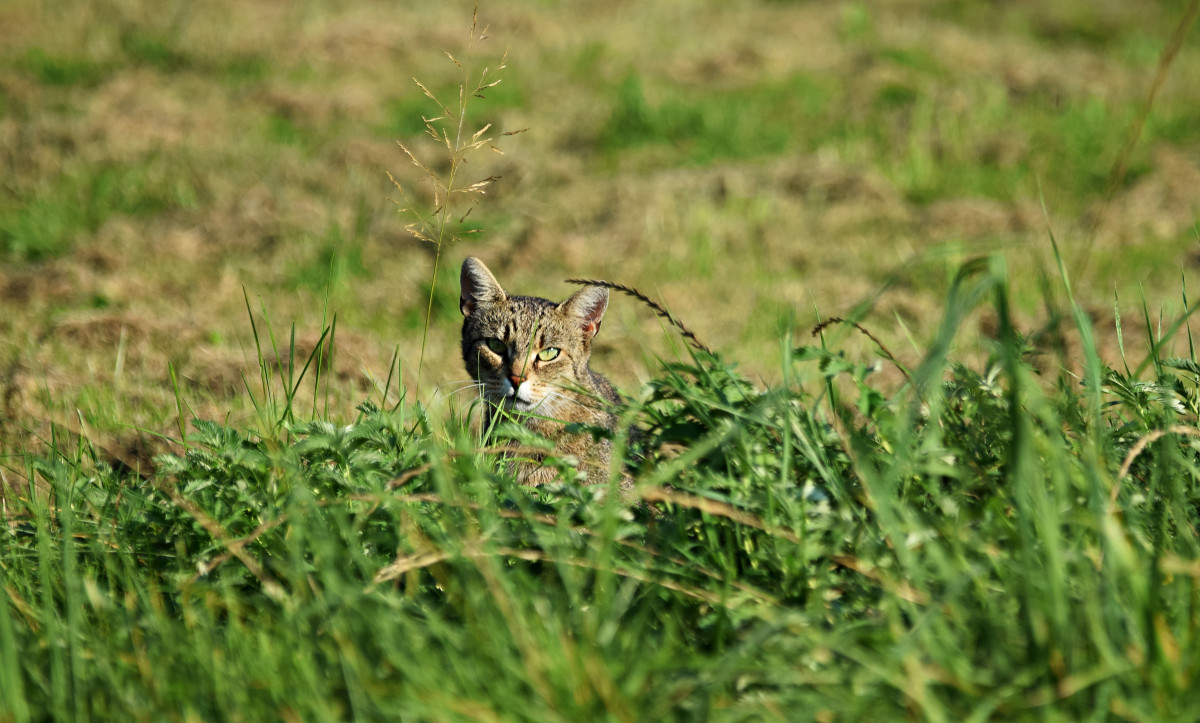
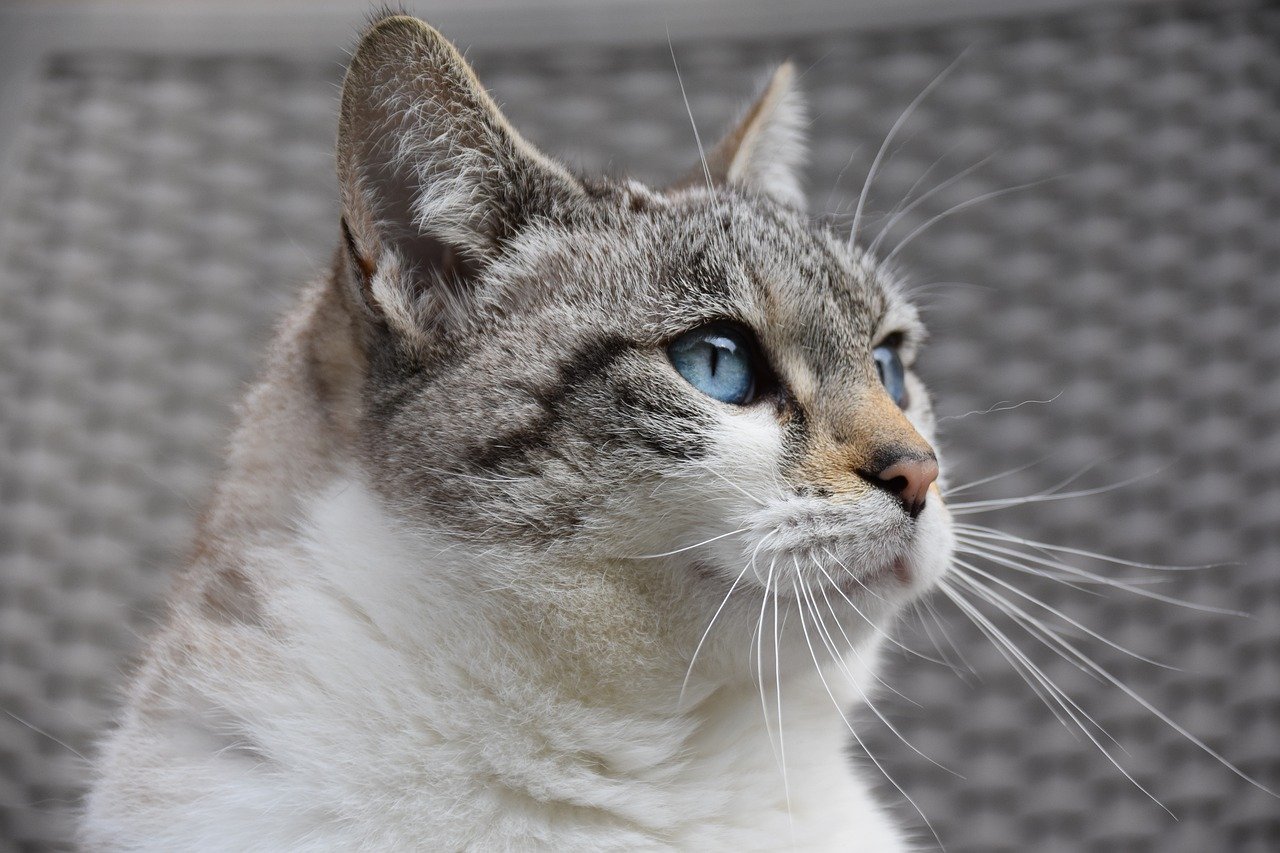

Caring for stray animals is about more than providing food or water. It is about recognizing that we share our communities with vulnerable living beings and that even small actions can make a meaningful difference. When we work together to help stray cats and dogs, we create safer, kinder environments for animals and people alike.
Understanding the Stray Animal Crisis
Stray cats and dogs can be found in nearly every part of the world. Some were born outdoors and have never had a permanent home. Others may have become separated from their families or were abandoned due to circumstances beyond their control.
There is no single cause behind stray animal populations. Factors such as unplanned breeding, limited access to affordable veterinary care, lack of spay and neuter programs, and irresponsible pet ownership all play a role. While animal welfare organizations, shelters, and volunteers work hard to address these challenges, the need often exceeds available resources.
As members of our communities, we all have an opportunity to be part of the solution.
Why Caring for Stray Cats and Dogs Is an Ethical Responsibility
We Have a Shared Responsibility
Cats and dogs have lived alongside humans for thousands of years. Through domestication, we have shaped their lives and, in many ways, their dependence on us. Because human actions contribute to the circumstances that leave some animals homeless, it is reasonable to believe that we also share a responsibility to help.
This responsibility does not mean that every person must rescue every animal they encounter. It means recognizing that we can each contribute in ways that are realistic and sustainable.
Animals Experience the World Around Them
Research continues to show that animals experience pain, fear, comfort, stress, and positive emotions. Like us, they seek safety, nourishment, and opportunities to thrive.
When we view stray cats and dogs as living beings with their own needs and experiences, it becomes easier to understand why compassion and humane treatment matter.
Compassion Strengthens Communities
When people come together to care for animals, communities often benefit as well. Neighbors connect through shared efforts, volunteers support one another, and awareness grows around responsible pet ownership and animal welfare.
Helping animals can encourage a culture of kindness that extends beyond animal care and positively influences our communities as a whole.
The Everyday Challenges Stray Animals Face
While many stray animals learn to navigate their environment, life outdoors still presents challenges.
Finding Food and Water
One of the most common challenges is access to consistent food and clean water. During hot weather, staying hydrated can be especially difficult.
Health and Veterinary Care
Minor injuries, untreated illnesses, and parasites can affect an animal’s quality of life. Without access to veterinary care, problems that could be easily treated may persist for long periods.
Weather Conditions
Whether it is summer heat, winter cold, or seasonal storms, outdoor animals must constantly adapt to changing conditions.
Safety Concerns
Busy roads, unsafe environments, and occasional negative interactions with people can make daily life more difficult for stray animals.
How Helping Stray Animals Benefits Everyone
Supporting stray cats and dogs is not only beneficial for the animals themselves. It can also create positive outcomes for the wider community.
Healthier Animal Populations
Providing access to food, water, shelter, and veterinary care helps improve the well-being of individual animals and contributes to healthier populations overall.
More Effective Population Management
Programs such as Trap-Neuter-Return (TNR) for community cats and spay-neuter initiatives for dogs are widely recognized as humane and effective ways to manage population growth. These programs help reduce the number of unwanted litters and improve long-term welfare outcomes.
Stronger Community Engagement
Animal welfare efforts often bring together residents, volunteers, veterinarians, rescue groups, and local organizations. Working toward a common goal can strengthen relationships and encourage community involvement.
Practical Ways We Can Help
One of the most encouraging aspects of animal welfare is that meaningful help often begins with simple actions.
Provide Fresh Water
A bowl of clean water placed in a safe location can make a significant difference, especially during warmer months.
Offer Food Responsibly
When appropriate and permitted in your area, providing nutritious food can help support animals that may struggle to find reliable meals.
Support Spay and Neuter Programs
Supporting local spay and neuter initiatives is one of the most effective ways we can help reduce future suffering and improve animal welfare.
Seek Help for Sick or Injured Animals
If we encounter an animal that appears injured or unwell, contacting a veterinarian, rescue organization, or local animal welfare group may help connect that animal with the care it needs.
Adopt, Foster, or Volunteer
For those who have the time and resources, fostering, adopting, or volunteering with local organizations can have a lasting impact.
Encourage Responsible Pet Ownership
Educating others about identification, vaccinations, spaying and neutering, and long-term commitment helps prevent future generations of animals from becoming homeless.
Common Myths About Helping Stray Animals
“Feeding Strays Makes the Problem Worse”
Food alone does not address overpopulation, but responsible feeding combined with spay-neuter efforts and community support can be part of a broader solution.
“One Person Cannot Make a Difference”
Most positive change begins with individual actions. A single bowl of water, a veterinary appointment, or a conversation about responsible pet ownership may seem small, but these efforts add up over time.
“Stray Animals Are Better Off on Their Own”
Many stray animals are resilient, but resilience should not be confused with thriving. Access to care, nutrition, and protection can greatly improve an animal’s quality of life.
Building a More Compassionate Future
The good news is that helping stray cats and dogs does not require extraordinary actions. It begins with awareness, empathy, and a willingness to contribute in whatever way we can.
Whether we support local rescue groups, participate in community initiatives, advocate for humane policies, or simply provide food and water when needed, our collective efforts matter. Every positive action contributes to a future where fewer animals struggle and more communities embrace compassion as a shared value.
When we care for stray animals, we are not only improving their lives. We are helping create neighborhoods that reflect the best of who we are: caring, responsible, and willing to look out for those who need our help.
Conclusion
Caring for stray cats and dogs is about recognizing our shared responsibility toward the animals that live alongside us. While the challenges they face may seem overwhelming at times, meaningful change often starts with simple acts of kindness and consistent community effort.
By supporting animal welfare initiatives, promoting responsible pet ownership, and helping stray animals whenever we can, we contribute to a more compassionate world for both animals and people. Together, we can make a difference, one small action at a time.
About the Author
Hi, I’m Fae, the creator of Pawforya. I’m a lifelong animal lover, pet care writer, and advocate for animal welfare. Over the years, I’ve shared my life with 3 wonderful cats, each of whom has taught me valuable lessons about compassion, patience, and the unique bond we share with animals.
Through this blog, we explore practical ways to support stray and community animals, and build more compassionate communities. Whether you’re a first-time pet parent, an experienced caregiver, a volunteer, or simply someone who cares about animal welfare, I hope you’ll find helpful information, inspiration, and encouragement here. If you have a question, a story to share, or would like to connect, I’d love to hear from you.
Email: fae@pawforya.com
Together, we can make a difference, one animal, one act of kindness, and one community at a time.