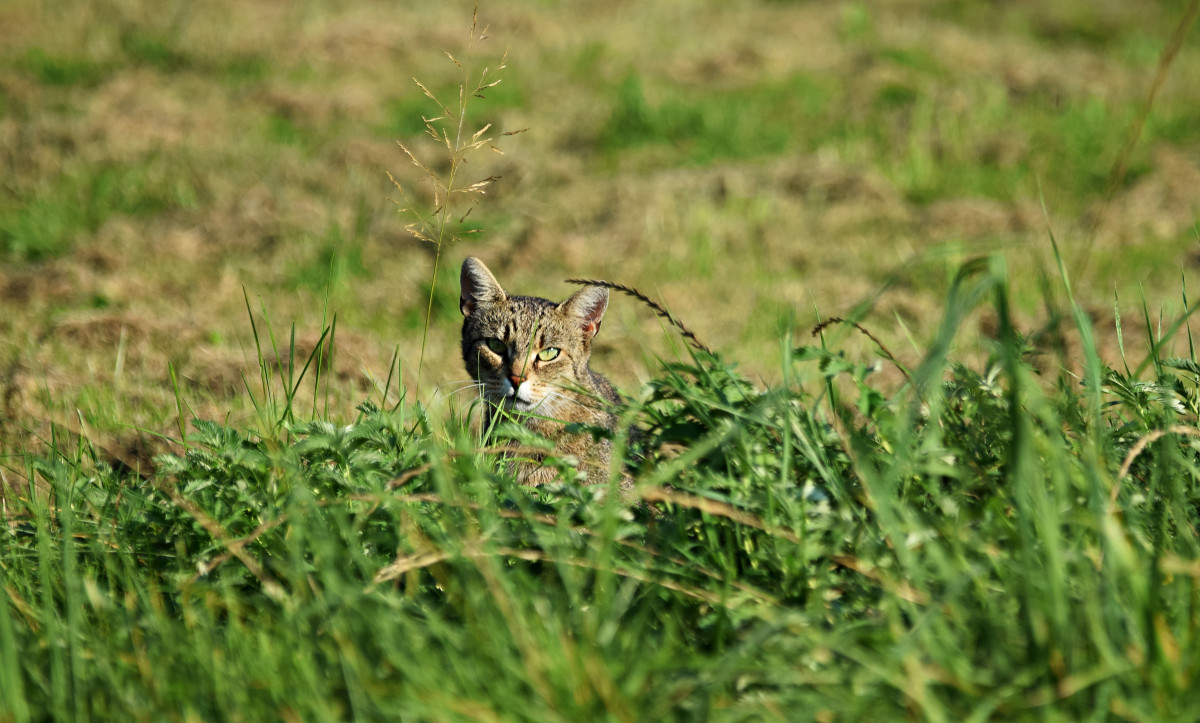


If you’ve ever seen a cat roaming your neighborhood, you may have wondered whether it has a home or is surviving on its own. While many people use terms like “stray,” “feral,” and “outdoor cat” interchangeably, they actually describe different types of cats with different needs.
Understanding these differences is important for anyone who wants to help cats in their community. It can influence how we approach feeding, socialization, veterinary care, adoption, and population management. Most importantly, it helps us make informed decisions that support both animal welfare and community well-being.
In this guide, we’ll explore what community cats are, the differences between stray, feral, and outdoor cats, and how we can support them responsibly.
What Are Community Cats?
The term “community cat” is often used as an umbrella term for cats that live outdoors in a shared environment. These cats may be cared for by residents, volunteers, or local animal welfare organizations, even if they do not have a traditional owner.
Community cats can include feral cats, stray cats, and, in some cases, cats that regularly spend time outdoors. Because their situations vary, understanding each category helps us determine the most appropriate way to support them.
What Is a Stray Cat?
A stray cat is a cat that was once socialized to people but is currently living outdoors without a permanent home or caregiver.
Some stray cats may have been abandoned, while others may have become lost and never found their way back home. Because they have previously interacted with humans, stray cats are often more comfortable around people than feral cats.
Common Signs of a Stray Cat
- May approach people or tolerate human presence
- Often meows or seeks attention
- May appear confused or out of place outdoors
- Sometimes looks unkempt or underweight
- May stay near homes, businesses, or areas where people gather
Many stray cats can be successfully reunited with their families, adopted into new homes, or placed in foster care.
What Is a Feral Cat?
A feral cat is a cat that has had little to no positive socialization with humans. Most feral cats are born outdoors and learn to avoid people from an early age.
Unlike stray cats, feral cats generally do not seek human interaction and may become fearful if approached. Their behavior is often misunderstood, but fear of humans does not mean a cat is aggressive. In most cases, feral cats prefer to avoid contact altogether.
Common Signs of a Feral Cat
- Avoids people whenever possible
- Rarely vocalizes around humans
- Maintains a greater distance from people
- Appears comfortable living outdoors
- Often active during quieter hours of the day
Many adult feral cats are not suited for life as indoor pets. Instead, humane management programs help them remain in their outdoor territories while preventing further population growth.
What Is an Outdoor Cat?
An outdoor cat is a cat that has a home and caregiver but spends some or all of its time outside.
Some outdoor cats have unrestricted outdoor access, while others are supervised or allowed outside only during specific times. Because these cats belong to someone, they generally receive food, shelter, and veterinary care.
Common Signs of an Outdoor Cat
- Appears healthy and well cared for
- May wear a collar or identification tag
- Follows predictable routines
- Frequently returns to the same home
- Appears relaxed around people
Not every cat seen outdoors is homeless. Before assuming a cat needs rescue, it’s important to observe its condition and behavior.
Why the Difference Matters
Understanding whether a cat is stray, feral, or owned helps us choose the most appropriate response.
For example, a friendly cat that approaches people may be lost and need help finding its family. A healthy outdoor cat may simply be exploring its neighborhood. A feral cat may benefit most from community support and participation in a Trap-Neuter-Return (TNR) program rather than attempts at adoption.
When we correctly identify a cat’s situation, we can provide support that truly meets its needs.
What Is Trap-Neuter-Return (TNR)?
Trap-Neuter-Return, commonly known as TNR, is a humane approach to managing community cat populations.
Through TNR programs, cats are humanely trapped, spayed or neutered, vaccinated, and returned to their outdoor homes. This approach helps prevent future litters while allowing cats to remain in familiar territory.
Many animal welfare organizations support TNR because it addresses population growth without harming the cats involved.
Benefits of TNR
- Reduces the number of kittens born outdoors
- Improves the health of community cats
- Helps stabilize cat populations
- Reduces behaviors associated with mating
- Supports long-term animal welfare goals
For many communities, TNR has become one of the most effective and compassionate ways to manage outdoor cat populations.
How We Can Help Community Cats
Helping community cats does not always require major commitments. Small, consistent actions can make a meaningful difference.
Provide Fresh Water
Access to clean water is essential, especially during warm weather. A simple water station can support cats living outdoors.
Support Local TNR Programs
Many communities rely on volunteers and donations to operate TNR initiatives. Supporting these programs helps address the root causes of overpopulation.
Monitor New Cats
If a new cat suddenly appears in your neighborhood, observe its behavior before assuming it is feral. It may be a lost pet that needs assistance returning home.
Contact Local Animal Welfare Organizations
When in doubt, local shelters, rescue groups, and veterinary professionals can often provide guidance based on a cat’s condition and behavior.
Educate Others
Sharing accurate information about community cats helps reduce misconceptions and encourages humane solutions.
Common Misconceptions About Community Cats
“All Outdoor Cats Are Strays”
Many outdoor cats have loving homes and responsible caregivers. Outdoor access alone does not mean a cat is homeless.
“Feral Cats Want to Be Adopted”
While kittens and some young cats can often be socialized, many adult feral cats are happiest living outdoors in familiar environments.
“Feeding Cats Solves the Problem”
Food can help individual cats, but long-term population management requires spay-neuter programs and community involvement.
“Community Cats Don’t Need Veterinary Care”
Community cats benefit greatly from vaccinations, parasite prevention, and spay-neuter services. Veterinary care remains an important part of responsible community cat management.
Building Better Communities for Cats
Community cats have long been part of our neighborhoods. Whether they are stray, feral, or owned outdoor cats, each has a unique story and unique needs.
By learning to recognize the differences, we can respond more effectively and compassionately. We can support humane population management, help lost pets reunite with their families, and improve the lives of cats that depend on their communities for care.
Understanding community cats is not just about identifying labels. It is about creating informed, compassionate solutions that benefit animals and people alike.
Conclusion
The next time we see a cat outdoors, it is worth taking a moment to consider its situation before making assumptions. Is it a lost pet? A community cat? A feral cat living independently? Understanding the difference can help us choose the best course of action.
By supporting humane programs, promoting responsible pet ownership, and educating ourselves about community cats, we can contribute to safer, healthier, and more compassionate communities for cats everywhere.
About the Author
Hi, I’m Fae, the creator of Pawforya.
I’m a lifelong animal lover, pet care writer, and advocate for animal welfare. Over the years, I’ve shared my life with three wonderful cats, each of whom has taught me valuable lessons about compassion, patience, and the unique bond we share with animals. My experiences have inspired me to create Pawforya, a space dedicated to promoting kindness, responsible pet care, and a better future for animals everywhere.
Through this blog, we explore practical ways to improve the lives of pets, support stray and community animals, and build more compassionate communities. Whether you’re a first-time pet parent, an experienced caregiver, a volunteer, or simply someone who cares about animal welfare, I hope you’ll find helpful information, inspiration, and encouragement here.
If you have a question, a story to share, or would like to connect, I’d love to hear from you.
Email: fae@pawforya.com
Together, we can make a difference, one animal, one act of kindness, and one community at a time.